
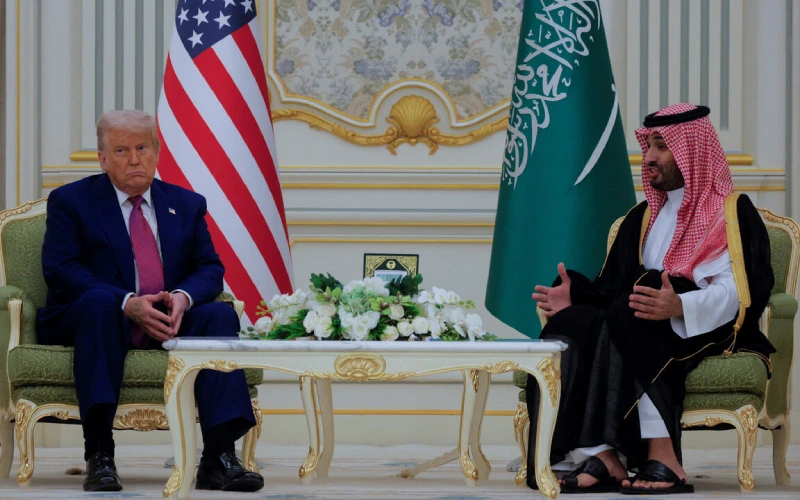
Amidst the tension between the United States and Iran, the recent visit by Saudi Arabia’s Crown Prince made people speculate about Saudi Arabia playing the role of a mediator between these countries. However, no official information has been issued in this regard. Iran’s nuclear program has sparked debate among diplomats, analysts, and media outlets.
Also Read : Business Insights: Shopnaclo: The Ultimate E-Commerce Guide for 2025
In this article, we will discuss why this visit matters, how Iran and the U.S. are responding to this situation, and more, so keep reading.
Who Is at the Center of the Speculation?
The visit of Mohammed bin Salman was a high-level meeting with U.S. officials, focusing on regional security, economic cooperation, and geopolitical stability. Saudi Arabia is known for its diplomatic relations, which made observers link the trip to broader mediation efforts.
Why the U.S. Trip Raised Eyebrows
These speculations are not entirely baseless; several factors contributing for this belief, such as:
The trip occurred amid stalled or indirect communication between the United States and Iran
Regional tensions remain high over Iran’s nuclear activities
Saudi Arabia has recently taken steps to normalize or stabilize relations with Iran
Why Saudi Arabia Is Seen as a Potential Mediator
Improved Saudi–Iran Relations
Saudi Arabia and Iran are reconsidering their relations after years of rivalry; they are moving toward a diplomatic solution, reducing direct hostility. It turned Riyadh into a plausible intermediary.
Strategic Ties With Washington
Saudi Arabia and the U.S. have friendly relations; they share deep political, military, and economic ties with each other.
Regional Stability Interests
Saudi leadership is motivated to reduce escalation in the Gulf because conflict here directly affects energy markets, trade routes, and domestic economic goals.
What the U.S. Has (and Hasn’t) Said
U.S. officials aren’t naive; they have not publicly said anything related to the Saudi-led mediation role. However, expert analysts decode diplomatic language that signifies “dialogue,” “de-escalation,” and “regional partnerships” during and after the visit, which leaves the door open for speculation, especially the absence of denial.
Iran’s Response to the Mediation Talk
Iranian officials have been cautious in their public statements:
Official responses have downplayed mediation claims, describing them as media speculation
Some Iranian commentary suggests openness to indirect dialogue, provided it is based on mutual respect and not pressure
This mixed messaging reflects Tehran’s broader diplomatic strategy: signaling flexibility without appearing eager.
What This Speculation Does Not Confirm
To understand the context, it is essential to separate inference from fact:
There is no official announcement naming Saudi Arabia as a mediator
No confirmed negotiation framework has been disclosed
All current claims rely on diplomatic analysis, not formal agreements
In a nutshell, as of now, mediation remains a possibility, not a policy.
Why This Matters for the Region
Nuclear Diplomacy: The current relations between Iran and the U.S. are not good; the world needs a mediation path that challenges the authority of America and keeps it in check.
Middle East Stability: The Middle East can be the most powerful region of the world, with its amazing economic potential due to massive oil reserves. Saudi Arabia can play a significant role in bringing peace and stability to nations like Yemen, Iraq, and the broader Gulf.
What Happens Next?
Most analysts expect:
Quiet diplomacy rather than public announcements
Continued indirect signaling through allies and partners
Incremental confidence-building rather than breakthrough deals
However, we will only get the actual result of the Crown Prince’s U.S. visit after some time.
Frequently Asked Questions (FAQs)
Did Saudi Arabia Officially Offer To Mediate Between The U.S. And Iran?
No official confirmation has been made.
Why Is Mohammed Bin Salman Central To This Discussion?
He is the main figure of Saudi foreign policy and has overseen recent regional diplomatic shifts.
Has Iran Accepted Saudi Mediation?
Iran has been silent on this matter, neither confirming nor formally accepting the Saudi’s role as mediators.
Conclusion
Generally, everyone wants peace, but countries seek their benefits in the war between two nations and never want stability in a particular region for their personal gain. Well! Most people reading this article know I am referring to which country. Let’s be neutral in this article. In the end, we hope that you like reading this post and find it informative. If so, then do share this post with others as well.