
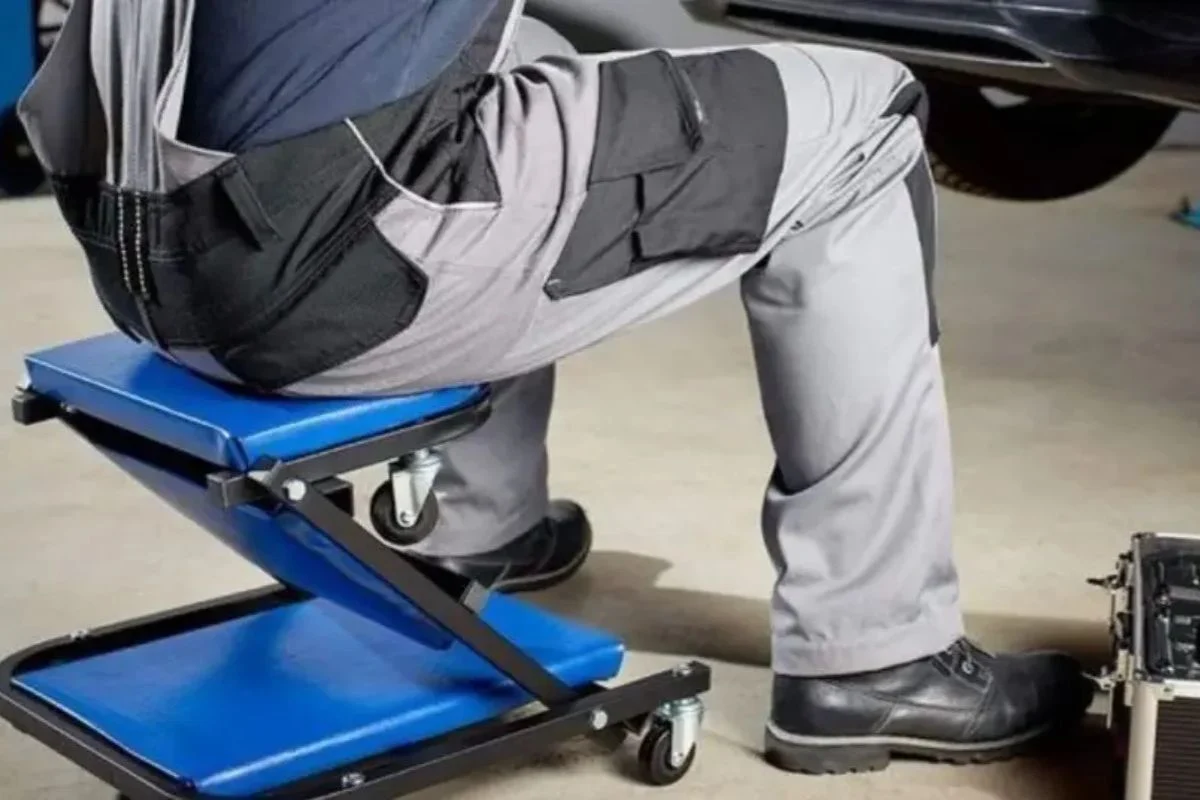
A well-chosen shop stool can make long garage projects more comfortable and productive. The right stool supports the back, keeps tools within reach, and fits the workspace without getting in the way. To choose the perfect shop stool, focus on comfort, height adjustability, material strength, and mobility that matches the type of work done.
Many people overlook how much difference the right stool can make during repair or assembly tasks. A stool that adjusts easily, rolls smoothly, and holds up under workshop conditions saves time and reduces strain. Therefore, selecting one that matches both body height and workbench level helps maintain proper posture and steady focus.
This guide explains the key factors to look for, from ergonomic design and durable materials to practical features that improve everyday use. It also highlights how to match stool type and construction to specific garage setups, helping anyone create a more efficient and comfortable workspace.
Important Criteria for Selecting the Perfect Shop Stool
A good shop stool should balance comfort, function, and strength. The right design supports long work sessions, adapts to different bench heights, and holds up under frequent use without wobbling or wearing out.
Assessing Comfort and Ergonomics
Comfort affects how long someone can stay focused at a workbench. A padded seat with firm foam provides support without sinking too deeply. Seats with a contoured or tractor-style shape reduce pressure on the thighs and lower back.
A swivel seat allows smooth movement between tools or stations. Models with a backrest help relieve strain during longer tasks. Footrests also play a key role by supporting proper posture and reducing leg tension.
Material choice matters as well. Vinyl or polyurethane covers resist stains and clean easily, while breathable fabric may suit lighter use. An adjustable, ergonomic design like a shop stool helps maintain comfort across different users and work types.
Evaluating Height Adjustment Mechanisms
Height flexibility determines how well a stool fits both the user and the workspace. Gas-lift cylinders or screw-thread systems allow quick seat changes to match bench height or personal preference.
A well-built adjustment mechanism should move smoothly without slipping under weight. Locking levers or tension knobs add safety by keeping the seat steady. Taller benches often need stools that reach 30 inches or more, while lower work surfaces work best with shorter ranges.
It helps to check the base stability. A wide base with non-slip feet or casters prevents tipping during height changes. For shared garages, adjustable stools save space and adapt easily to multiple users.
Understanding Weight Capacity and Durability
Weight capacity signals how sturdy the stool is. Most standard models hold between 250 and 330 pounds, though heavy-duty versions support more. A strong steel or aluminum frame resists bending and keeps the seat stable over time.
Durability also depends on weld quality, fastener strength, and finish. Powder-coated metal resists rust and scratches better than painted surfaces. Seats made with thick vinyl or molded polymer stand up well to frequent use and chemical exposure.
Casters and footrests should match the stool’s load rating to prevent early wear. A durable design reduces replacement costs and maintains safe, consistent performance in any garage setup.
Key Features and Materials That Maximize Garage Performance
A well-designed shop stool improves comfort, safety, and work efficiency. The best models balance mobility, durability, and smart storage features that support daily garage tasks without taking up extra space.
Choosing Between Rolling and Stationary Stools
A rolling shop stool uses casters to move smoothly across the floor, saving time during frequent tool changes. This design suits mechanics or DIY users who shift between work areas. Large casters glide better on rough concrete, while smaller ones fit smooth epoxy floors. Lockable wheels add stability during detailed work.
A stationary stool stays fixed with rubber feet and offers better balance for tasks that require steady pressure. It suits users who prefer a solid base near a single workbench. Some models combine both features by allowing casters to detach, giving flexibility for different projects.
A creeper seat is another variation that keeps the user low to the ground for brake or tire work. It often includes small wheels and a padded seat for comfort during longer sessions. Choosing between these stool types depends on how much mobility and stability the workspace demands.
Selecting the Right Seat Material and Upholstery
Seat material affects both comfort and durability. A vinyl seat resists oil, grease, and moisture, which makes it practical for garage use. Marine-grade vinyl offers even better resistance to tears and chemicals, making it suitable for heavy use. Foam padding underneath adds comfort during long hours.
Some garage stools use polyurethane or leather-like covers, but these may wear faster under constant contact with tools or solvents. A textured surface helps prevent slipping, while smooth finishes clean easily with a damp cloth.
The seat’s shape also matters. A wider, contoured cushion supports better posture and reduces pressure points. Models with adjustable height allow users to match stool height to their workbench, improving ergonomics and reducing strain on the back and legs.
Exploring Storage and Organization Options
Many garage stools now include under-seat storage to keep tools within reach. This design helps maintain a tidy workspace and reduces time spent searching for small parts. Some models feature magnetic tool holders that secure metal tools to the stool base or tray.
A lower tool tray can double as a footrest, adding comfort while keeping hardware organized. Steel trays handle heavy tools, while plastic versions weigh less and resist rust. Divided compartments prevent items from sliding during movement.
Compact stools with built-in storage suit smaller garages where every inch matters. For those who use multiple tools at once, a stool with both a magnetic strip and a deep tray offers the best balance between convenience and space efficiency.
Conclusion
A good shop stool supports comfort, posture, and productivity in any garage setup. It should match the user’s height, weight, and workspace layout for better ease of movement and balance.
Key factors such as adjustable height, durable materials, and stable design often make the difference between a stool that lasts and one that fails early.
Therefore, buyers should compare features like padding, wheel locks, and storage trays before purchase. Each feature adds function and convenience based on how the stool will serve daily tasks.
In the end, the best choice depends on personal needs, available space, and how much time one spends at the workbench. A well-chosen stool helps maintain comfort and focus through every project.