
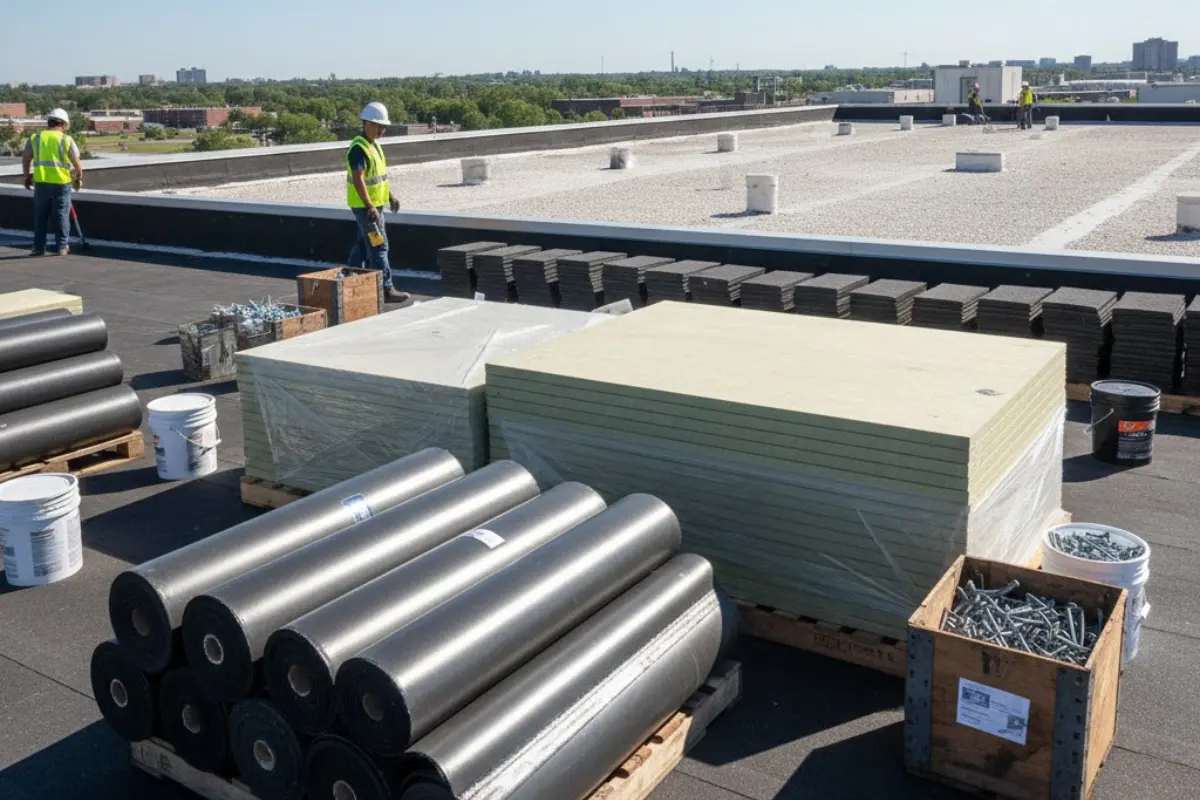
Colorado’s winters are legendary for their harsh conditions, from heavy snowfalls to rapid temperature swings. Selecting the right commercial roofing materials is critical to ensure your property remains protected, energy-efficient, and structurally sound. Property owners face choices between TPO, EPDM, and metal roofing, each offering unique advantages for winter-proof commercial roofs.
For those seeking expert guidance on installation, maintenance, and durability, strategies for long-term roof protection provide insights tailored to Colorado weather, helping building owners maximize the lifespan of their commercial roofs.
Understanding Colorado’s Roofing Challenges
Colorado’s climate presents several challenges for commercial roofs:
- Heavy Snow Loads: Flat roofs and low-pitch roofs must withstand significant snow accumulation.
- Rapid Temperature Changes: Expansion and contraction can stress roofing materials, causing cracks or leaks.
- UV Exposure: High altitude increases UV intensity, which can degrade some roofing membranes.
- Wind and Hail: Frequent storms require durable materials that resist impact damage.
Choosing durable roofing materials that can handle these conditions is essential for commercial property owners in Denver and throughout the state.
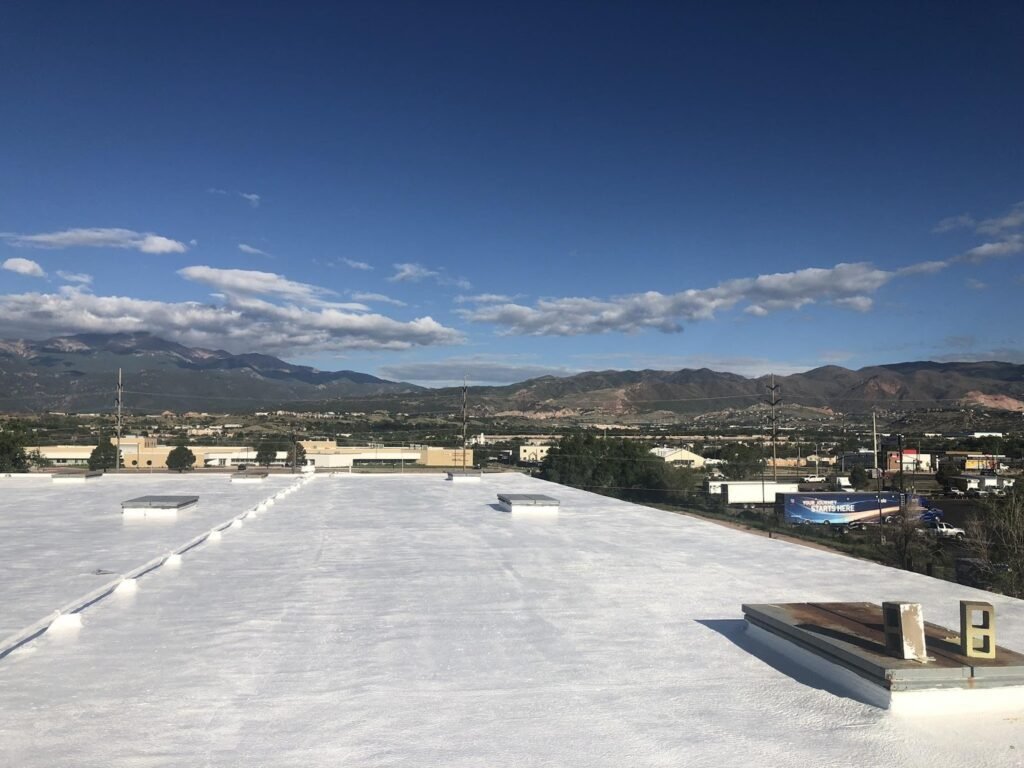
TPO Roofing: A Popular Flat Roof Option
TPO roofing Colorado has become a favorite for commercial properties due to its energy efficiency and durability. TPO, or thermoplastic polyolefin, is a single-ply roofing membrane known for its reflective properties, helping buildings reduce cooling costs during summer months.
Key benefits of TPO roofing:
- Energy Efficiency: Reflective surfaces reduce heat absorption, saving on HVAC costs.
- Durability: Resistant to punctures, UV rays, and chemical exposure.
- Seam Strength: Heat-welded seams create a waterproof barrier, reducing leak potential.
- Low Maintenance: Requires minimal upkeep with routine inspections.
TPO is particularly well-suited for flat roof options in Colorado, offering a balance of affordability, energy efficiency, and winter performance.
EPDM Roofing: Tried-and-True Rubber Membranes
EPDM roofing Colorado, a synthetic rubber membrane, has been a reliable choice for decades. Known for its flexibility and longevity, EPDM handles temperature fluctuations and thermal expansion well, making it ideal for winter conditions.
Advantages of EPDM roofing include:
- Flexibility in Cold Climates: Remains pliable during sub-zero temperatures, reducing crack formation.
- UV and Ozone Resistance: Prolongs the life of the membrane in high-altitude sun exposure.
Cost-Effective: Offers a lower initial investment compared to some TPO and metal options. - Ease of Repair: Punctures or damage can be repaired with adhesives or patches.
EPDM remains a trusted choice for long-lasting commercial roofing, especially in older buildings or areas where flexible materials perform best under snow loads.
Metal Roofing: Exceptional Longevity and Strength
Metal roofing in Colorado is renowned for its strength and durability. Standing seam or corrugated metal panels provide a resilient barrier against snow, ice, and hail, making it ideal for winter-proof commercial roofs.
Benefits of metal roofing include:
- High Snow Shedding: Sloped metal roofs naturally shed snow, preventing excessive weight accumulation.
- Long Lifespan: Properly maintained metal roofs can last 40–60 years.
- Fire Resistance: Metal roofs provide additional safety in wildfire-prone areas.
- Energy Efficiency: Reflective coatings reduce heat absorption and energy costs.
Metal roofing is particularly advantageous for commercial and industrial buildings needing robust protection against Colorado weather and extreme winter loads.
Winter-Proofing Your Commercial Roof
Regardless of material, winter-proofing is essential. Steps include:
- Regular roofing maintenance to remove debris and inspect for damage.
- Snow removal from flat or low-slope roofs to prevent structural stress.
- Ensuring proper insulation and vapor barriers to prevent ice dams.
- Scheduling professional inspections before and after winter storms.
These practices enhance the effectiveness of any roofing system and reduce costly emergency repairs.
Comparing Roofing Options
When deciding among TPO, EPDM, and metal roofing, consider several factors: lifespan, maintenance, snow handling, and energy efficiency. TPO provides excellent energy efficiency and low maintenance for flat roofs. EPDM offers flexibility, cold-weather performance, and easier repairs at a lower cost. Metal roofing shines for longevity, snow shedding, and resilience against extreme weather.
The right material often depends on roof design, building structure, and budget. Flat roofs may perform better with TPO or EPDM, whereas pitched or industrial roofs benefit from metal panels. Combining professional installation with a thoughtful maintenance plan ensures the roof remains durable and energy-efficient throughout its life.
Energy-Efficient Considerations
In addition to winter durability, energy efficiency is critical. Reflective coatings on TPO and metal roofs can lower cooling costs during Colorado’s sunny summers. For energy-efficient roofing Colorado projects, combining insulation with high-reflectivity membranes maximizes savings year-round.
Businesses can also explore industrial roofing solutions that incorporate sustainable practices, extending roof lifespan while reducing environmental impact.
Choosing the Best Roofing for Snow Loads
For buildings in Denver and the Front Range, selecting the best roofing for snow loads is essential. Pitched metal roofs excel at snow shedding, while flat roofs with TPO or EPDM require vigilant maintenance. Consulting experienced professionals ensures roof design and materials meet structural and environmental demands.
Professional installers like Strong Contractors can provide expert guidance, ensuring proper selection, installation, and long-term performance for commercial properties.
Conclusion
Selecting the right commercial roofing materials in Colorado is critical for winter resilience, energy efficiency, and long-term performance. TPO, EPDM, and metal roofing each offer unique benefits: TPO for energy efficiency and low maintenance, EPDM for flexible, cost-effective coverage, and metal for longevity and snow shedding.
FAQs
1. Which commercial roofing material is best for snow-heavy areas in Colorado?
Metal roofs are ideal for shedding snow, while TPO and EPDM require maintenance to handle heavy snow loads effectively.
2. How long do TPO, EPDM, and metal roofs last?
TPO lasts 20–30 years, EPDM 20–25 years, and metal roofs 40–60 years with proper maintenance.
3. Can flat roofs be winter-proofed in Colorado?
Yes. Using TPO or EPDM with proper insulation, snow removal, and professional installation ensures flat roofs withstand winter conditions.
Recommended SEO Title:
Best Commercial Roofing Materials for Colorado’s Harsh Winters: TPO vs. EPDM vs. MetalRecommended Meta Description:
Explore the top commercial roofing materials for Colorado winters. Compare TPO, EPDM, and metal roofing options for durability, energy efficiency, and snow load resistance.